Strategic audience development at Lanhydrock
Strategic analysis unlocking hyperlocal growth potential at one of Cornwall's top-performing National Trust properties

PROJECT OVERVIEW
CLIENT: National Trust (South West)
ROLE: Visitor Experience Consultant
TIMELINE: March - August 2023
PROJECT TYPE: strategic audience development / insight analysis

Outcomes and achievements
-
![A boy wearing a black mask plays in a ball pit.]()
Programming transformation
Lanhydrock ditched costly one-off performance events, opting into long-running seasonal family programmes, like Summer of Play.
-
![A boy in sunglasses plays with bubbles.]()
Midweek story time for under 5s
Lanhydrock established a regular midweek storytelling event to attract visits from parents with children under 5.
-
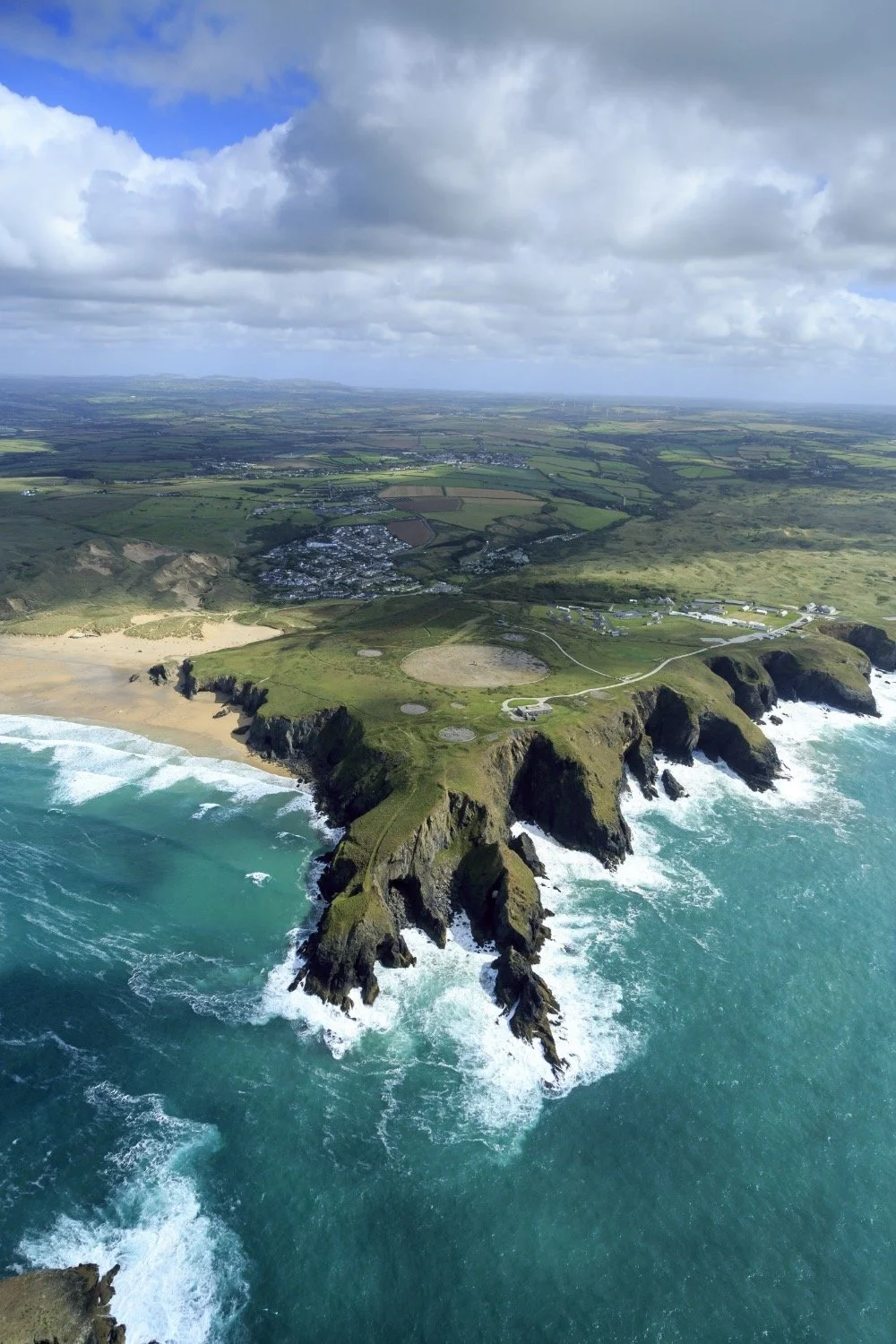
![An arial view of the Cornish coastline.]()
Influencing regional strategy
Cornwall identified as priority area in the National Trust South West's regional audience development plan for addressing unequal access and underserved audiences.
-
![The tree-lined driveway at Lanhydrock in Cornwall.]()
Clear, actionable reporting
I delivered a navigable analysis report complete with clear recommendations, interactive sections, and colour-coded evidence, making complex data easy to digest and act on.
-
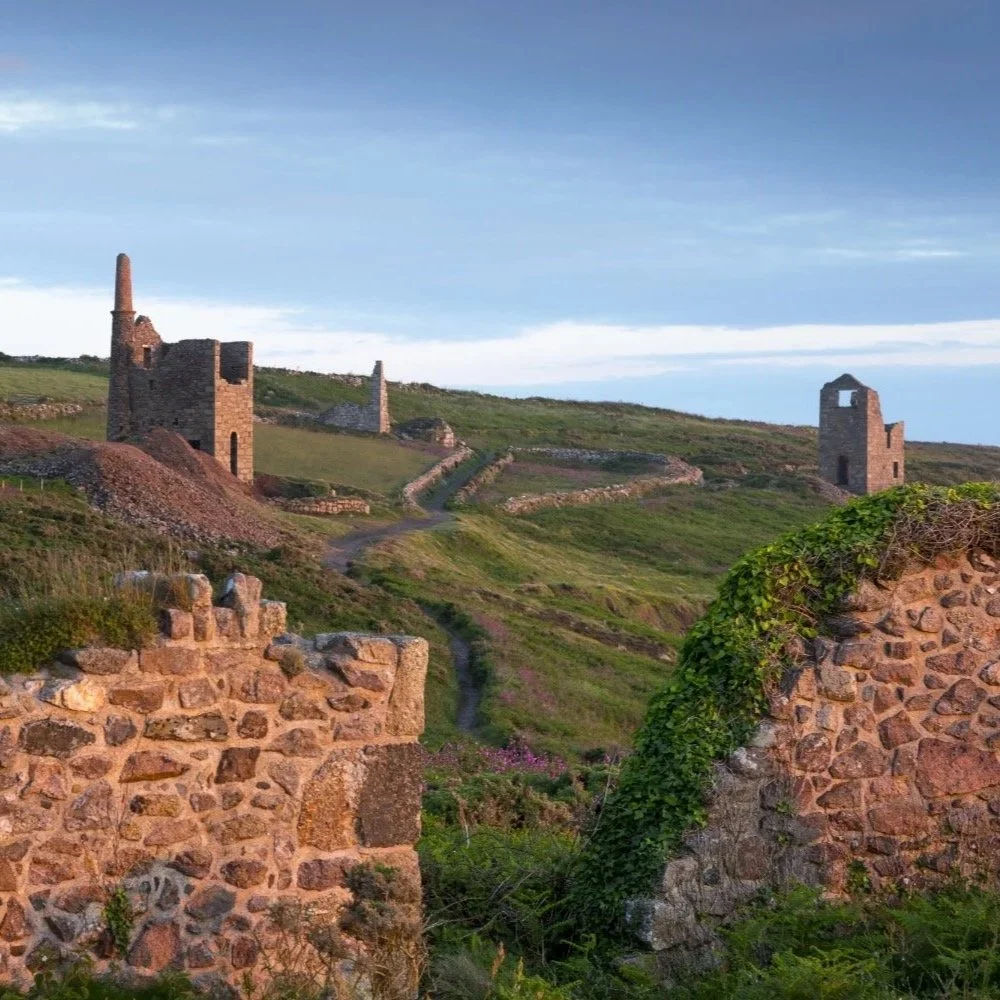
![Ruined engine houses on the Tin Coast in Cornwall.]()
£170K regional investment
Analysis demonstrated significant growth headroom in hyperlocal audiences, influencing a regional decision to invest £170K in We Are Shining, a Cornwall-wide cultural engagement programme.
-
![A fabric panel depicting a Cornish engine house and the moon.]()
Lanhydrock exhibits Story Shelter
Lanhydrock exhibited We Are Shining, an artwork made with Cornish community groups, welcoming 9,820 hyperlocal visitors.




Strategic context
Pre-Covid, the National Trust business model in Cornwall had grown off the back of a thriving tourist industry, with visitor numbers at an all-time high in 2019. When the pandemic blew a hole in the international and domestic tourist market, it became clear a new and more resilient business model was required.
Membership data revealed another troubling pattern. While Cornwall boasted high local membership penetration, these people rarely ventured beyond the pay barrier, preferring instead to use their membership for free access to coastal landscape carparks.
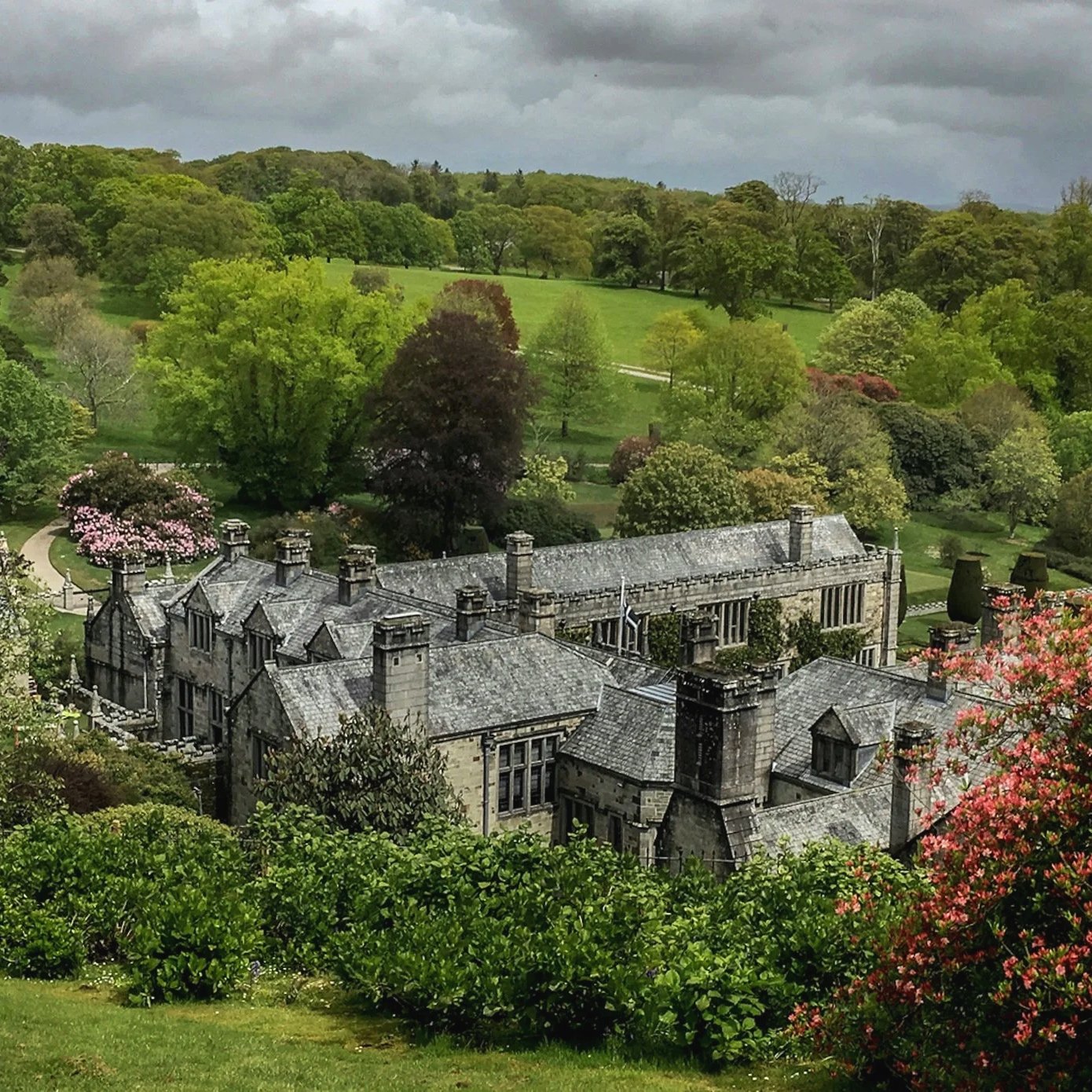
A new approach was needed - one that built year-round local engagement and ended unequal access to Cornwall's places. Regional management focus shifted to Lanhydrock: one of the top-performing properties in Cornwall.

THE BRIEF
The task was to conduct an in-depth review of Lanhydrock’s current and historic performance to identify potential for and barriers to business growth.
Recommendations were sought to shape an audience development plan with regional objectives to drive sustainable growth and to improve access for local Cornish audiences.
With organisational pressure to return to 2019 performance levels and a stronger national emphasis on access and inclusion, this work was strategically critical.




CAMILLA’S APPROACH
PERFORMANCE ANALYSIS
I conducted comprehensive data analysis using National Trust internal dashboards to examine visitor numbers, demographics, consumer profiles, repeat visit rates, seasonality, and arrival patterns. I analysed visitor feedback from surveys, social media, and TripAdvisor to identify satisfaction trends.
GROWTH MODELLING
Collaborating with central data analysts, I pulled comparative performance reports against similar properties nationally, identifying headroom for growth, historic performance spikes, and local non-visiting member profiles.
ACCESSIBLE REPORTS
I composed easy-to-navigate analysis reports for each property with actionable recommendations for audience development.
AUDIENCE DEVELOPMENT
I presented findings through workshops with the Lanhydrock team and regional management. We explored how evidence-based changes to their visitor experience could build a more resilient and accessible business at Lanhydrock.